

Kilburn Mews regeneration on track as construction work completes
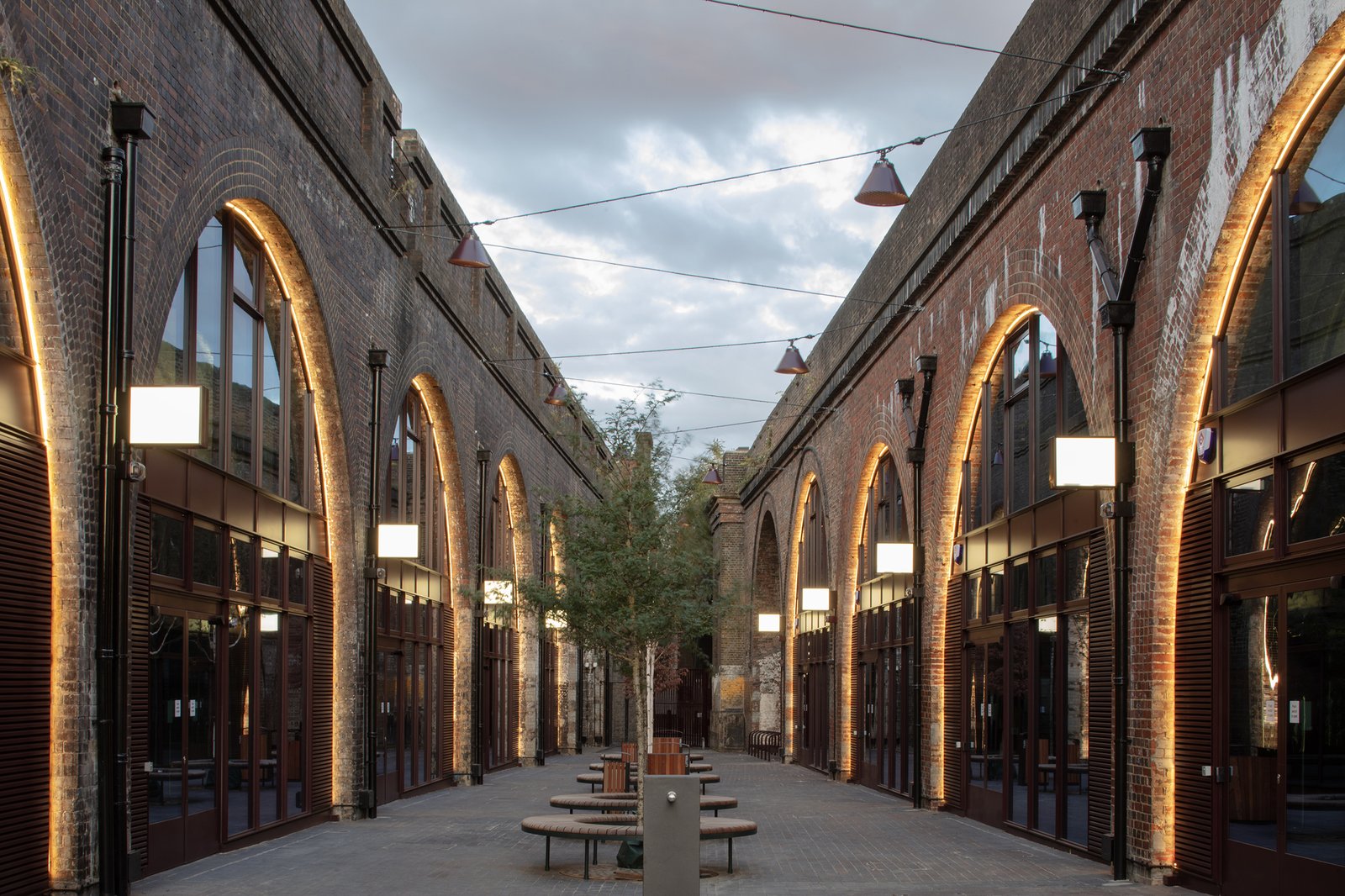
Kilburn Mews, a transformative regeneration of Kilburn’s railway arches, has reached a landmark milestone, with construction work completed and the site handed over to Places for London.
The comprehensive restoration of the 12 Victorian railway arches has been delivered by Morgan Sindall Construction's London business, which was appointed by Places for London, Transport for London’s property company, and procured via the SCAPE Construction framework.
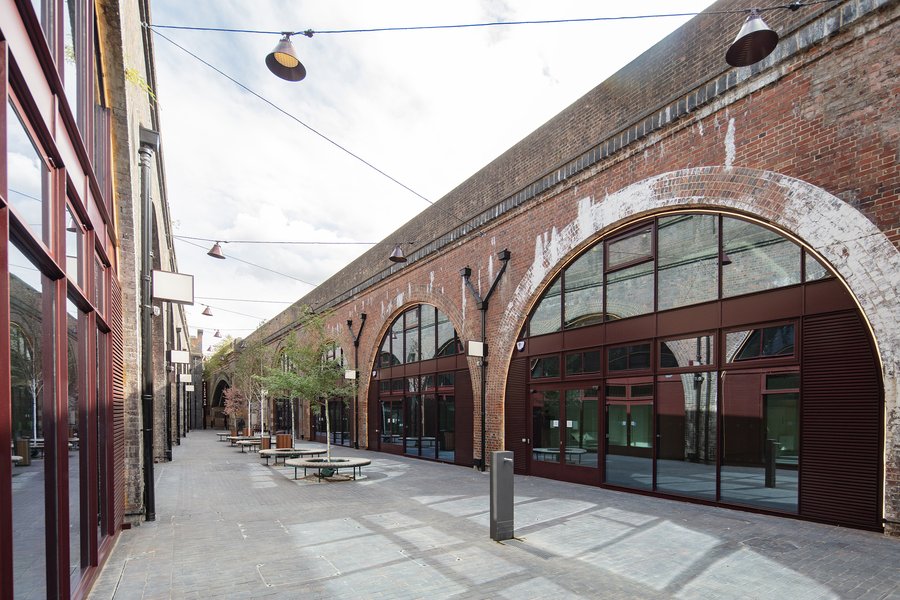
The site now features 12 refurbished spaces for business rentals and two new retail units as well as an extensive public realm, with new life breathed into the commercial properties and surroundings to turn a formerly brownfield area into a bustling hub of activity.
Located across from Kilburn Underground Station, and a short walk from Brondesbury London Overground station, the site boasts excellent accessibility.
Creating a new space for Kilburn
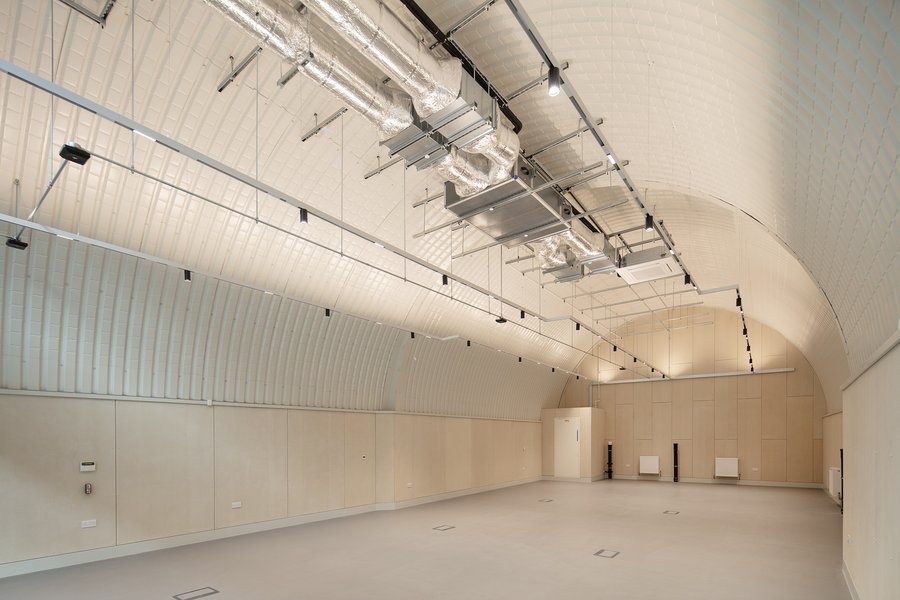
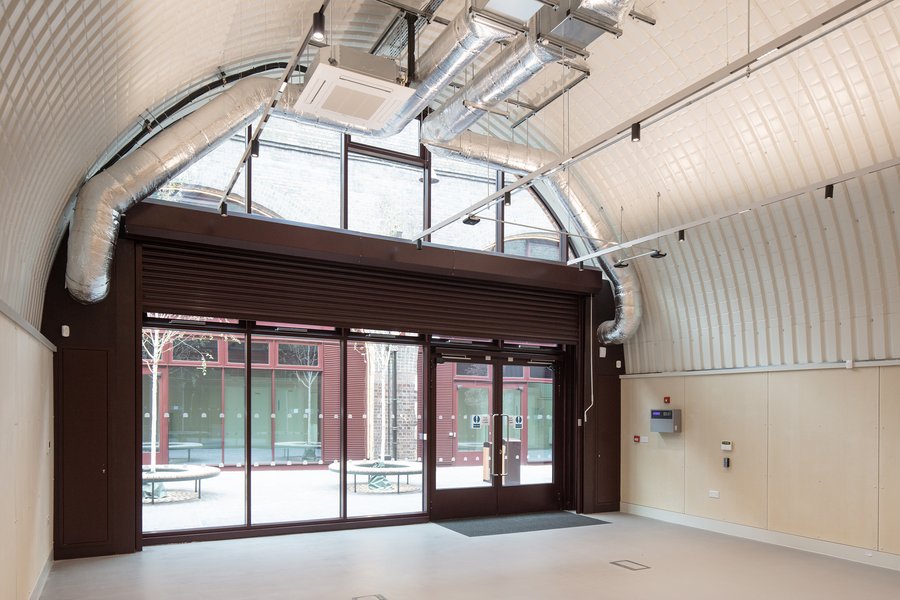
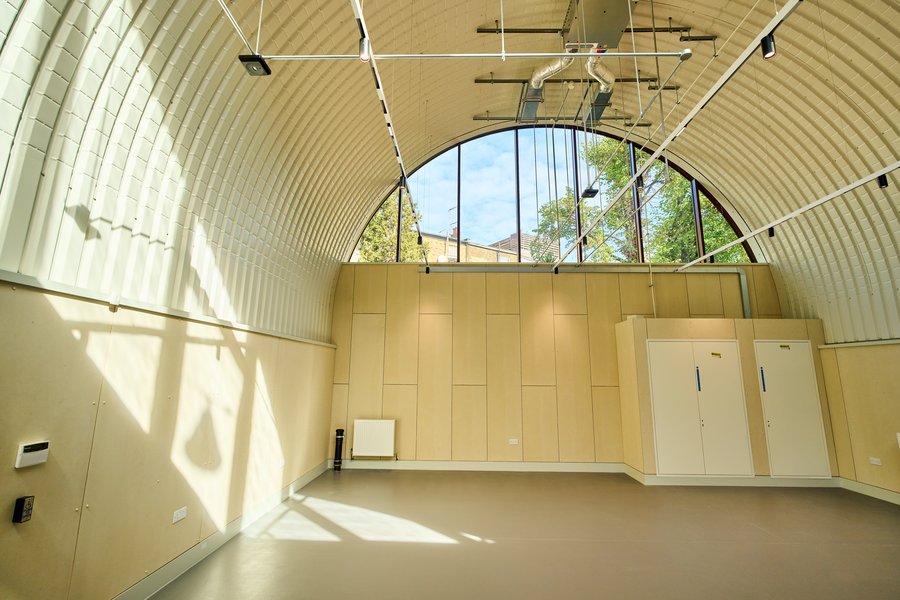
The tier one contractor extensively remodelled each arch. This included stripping out the existing concrete, M&E, and fixtures as well as the controlled removal of asbestos, taking the internal space back to the bare brick structure. A completely new structural slab was then installed along with fully lined soffits and walls and a glazed feature façade. The glass façade was supported with structural steel goalposts to ensure minimal loading on the railway arches
The arches were originally built in the mid-19th century, and the renovation was careful to maintain as many historic features as possible, such as restoring the original brickwork and cleaning then restoring the cast-iron rain pipes.
Working underneath rail lines meant Morgan Sindall couldn’t use any fixings that would affect the integrity of the arches. Instead, a steel frame was installed within each arch to limit the load going into the structure while simultaneously extending the lifespan of the Victorian structure.
Due to property ownership and proximity to live railways, the project required close coordination between Morgan Sindall, Places for London, TfL and Network Rail, ensuring no disruption to the transportation network and that safety was prioritised throughout.
The nature of working below three operating rail lines in a congested area meant that alongside logistics and operational challenges, it was imperative to ensure a high fire rating standard was achieved in the new units.
During the project, the team had to carefully factor damage caused by WWII bombing into their approach. Information about the rebuilding of the arches was scarce and undocumented post-war remedial works such as underpinning and infilling was discovered and had to be accounted for.
The regeneration was designed in accordance with the Mayor of London’s Draft London Plan, which sets out policies for good growth in the city, and was approved by the Mayor’s Design Advocates (MDA), 53 independent experts who support the GLA in promoting design excellence across London’s built environment. Following the 2021-22 MOPAC Public Attitudes survey, which was conducted for the Women's Night Safety Charter, an initiative launched by the Mayor of London, improved visibility, CCTV cameras and enhanced lighting were embedded in the design.
Sustainability and social value
In line with Morgan Sindall and Places for London’s commitment to sustainable construction, the commercial units are gas-free and use energy efficient heating solutions to reduce emissions and lower utility costs, including air-source heat pumps, underfloor heating, and a communal district heating system.
By reusing existing buildings and planting new flora, TfL has avoided the carbon cost of a new-build development while boosting the area’s biodiversity. A 76m3 attenuation tank was installed to provide sustainable water management for the area by controlling the release of rainwater. Localised attenuation systems were also installed with the new trees to further support sustainability and biodiversity.
Throughout the project, Morgan Sindall implemented initiatives to maximise social value generation. This resulted in several key outcomes, ranging from engaging local NEETs, promoting construction careers, assisting community initiatives, and supporting young people with skills, training and apprenticeship opportunities. To achieve this, Morgan Sindall and its suppliers worked with multiple organisations based in the area, including Capital City College, Heath School, C4WS Homeless Project, Action for Youth Boxing Intervention, and Literacy Pirates.
Richard Dobson, Regional Managing Director for Morgan Sindall Construction in London, said:
Kilburn Mews has been a truly transformative project, breathing new life into the heart of Kilburn in a manner that reflects the area’s dynamic nature and heritage. Thanks to this regeneration, the local community will not just have a modern and attractive space for socialising, relaxing and shopping but it has enhanced accessibility around Kilburn while protecting historic buildings for generations to come.
Working closely with Places for London and Transport for London has been central to the project’s success. This collaboration not only ensured that the vital rail lines above the project could continue operating as normal but meant that the renovation could be tailored to the area while providing a springboard to deliver valuable benefits for local people.”
Jo Fisher, Head of Arches at Places for London said:
We’re very pleased to have completed the building work at Kilburn Mews, demonstrating how historic railway infrastructure can be sensitively adapted to meet modern needs. The new arches and two standalone units will house some great businesses that will soon become much-loved parts of the fabric of Kilburn. Now we’re looking forward to great new businesses moving into the spaces and helping Kilburn Mews and the wider community continue to thrive and grow.
This work isn’t just bringing new life to Kilburn but is also part of how we’re helping move London forward sustainably and with the city’s many diverse communities. We’re dedicated to investing in our estate to unlock its full potential, creating thriving, connected places all can enjoy.”
This multi-million-pound scheme is part of a wider project to transform more than 800 railway arches around London, using Kilburn Mews as a template for future regenerations.
ENDS